


Pipe Fittings
Machine configurations for PVC, PP-R, PE and ABS fittings
THREEPLAST configures injection molding machines for elbows, tees, couplings, valves, drainage fittings and other plastic pipe components. Sizing is based on resin, fitting diameter, part weight, mold structure, cavity count and required output.
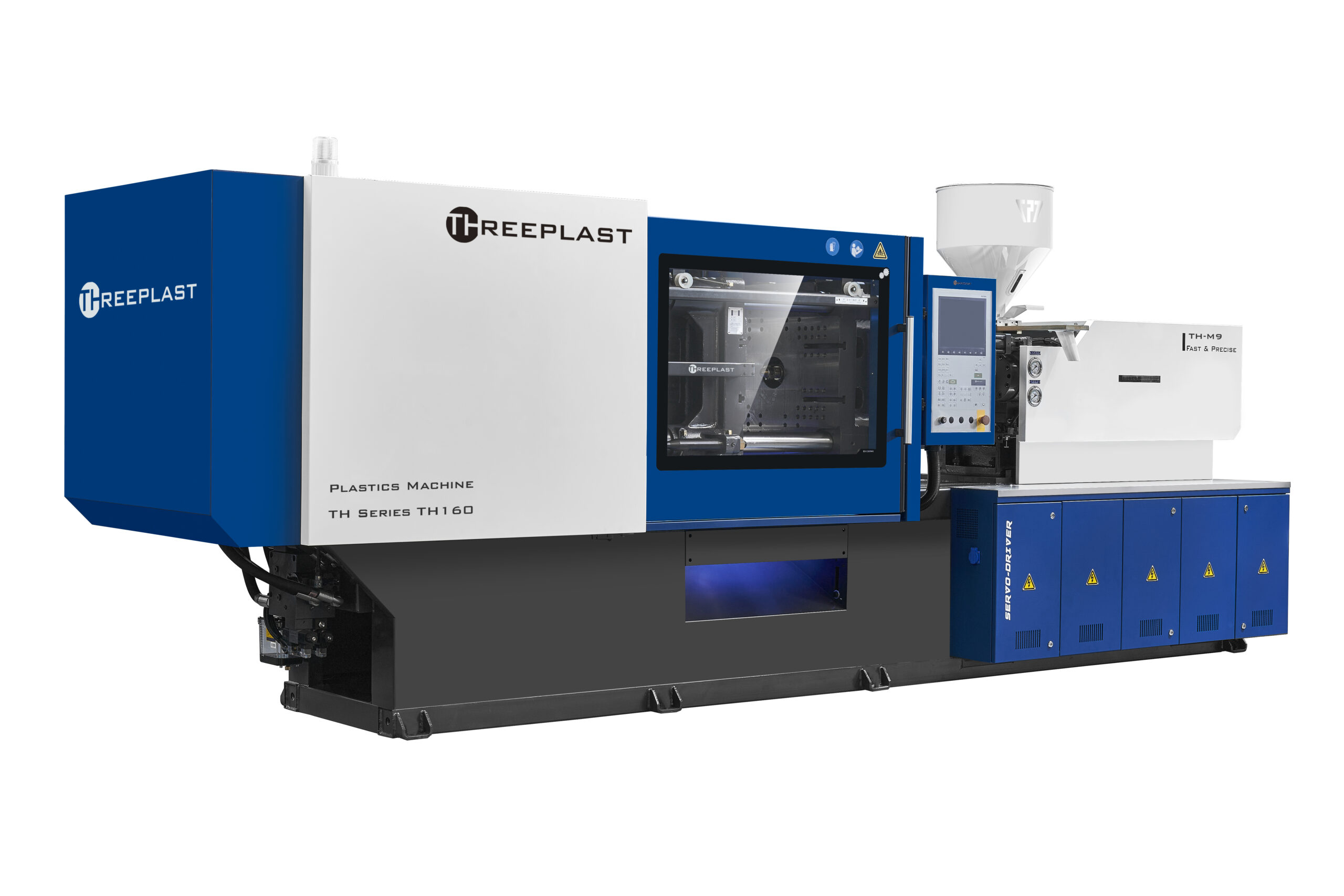
Stable filling for thick and complex fittings
Pipe fittings can require high injection pressure, stable plasticizing and generous mold space. The selected machine needs sufficient shot capacity and clamping force while maintaining practical opening stroke, ejector travel and tie-bar spacing for the tool.
For heat-sensitive materials such as PVC, screw design, barrel configuration, temperature control and process setup require particular attention. Final material compatibility and safety settings should be confirmed from the selected compound and product specification.
Configured around the material, mold and fitting
Strong Clamping Platform
Supports thick-wall parts, multi-cavity tools and robust pipe-fitting molds.
Matched Injection Unit
Shot capacity and injection pressure are selected against total molded weight and runner system.
Material-Specific Plasticizing
Screw and barrel options can be evaluated for PVC, PP-R, PE, ABS and filled compounds.
Mold-Space Planning
Platen size, tie-bar spacing, opening stroke and ejector requirements are checked before selection.
Servo Energy Control
Servo-hydraulic operation can reduce unnecessary energy use during the molding cycle.
Automation Ready
Robots, conveyors and part handling can be included for repetitive production.
Pipe fitting machine selection checklist
Provide the fitting drawing or sample, outside diameter, product weight, wall thickness, resin, mold dimensions, cavity count, runner type, target cycle, annual output and local voltage. For PVC projects, also provide the compound or resin technical data and intended screw/barrel requirement.
How is clamping force selected for a pipe fitting?
Clamping force depends on the projected area of the molded part, cavity count, material behavior, runner system and expected cavity pressure. Mold dimensions alone are not enough.
Can one machine run several fitting molds?
Yes, if all molds remain within the machine’s shot capacity, clamping force, platen, tie-bar, opening-stroke and ejector limits.
Can auxiliaries be included?
The project can include recommendations for loaders, dryers, chillers, mold temperature controllers, mixers, crushers, robots and conveyors.
Need a pipe fitting molding solution?
Send the fitting, material, mold and output details for a practical machine recommendation.