


Medical Technology
Precision-focused molding for medical and laboratory parts
THREEPLAST configures injection molding machines for medical, laboratory and diagnostic plastic components that require repeatable dimensions, stable shot weight and controlled part handling.
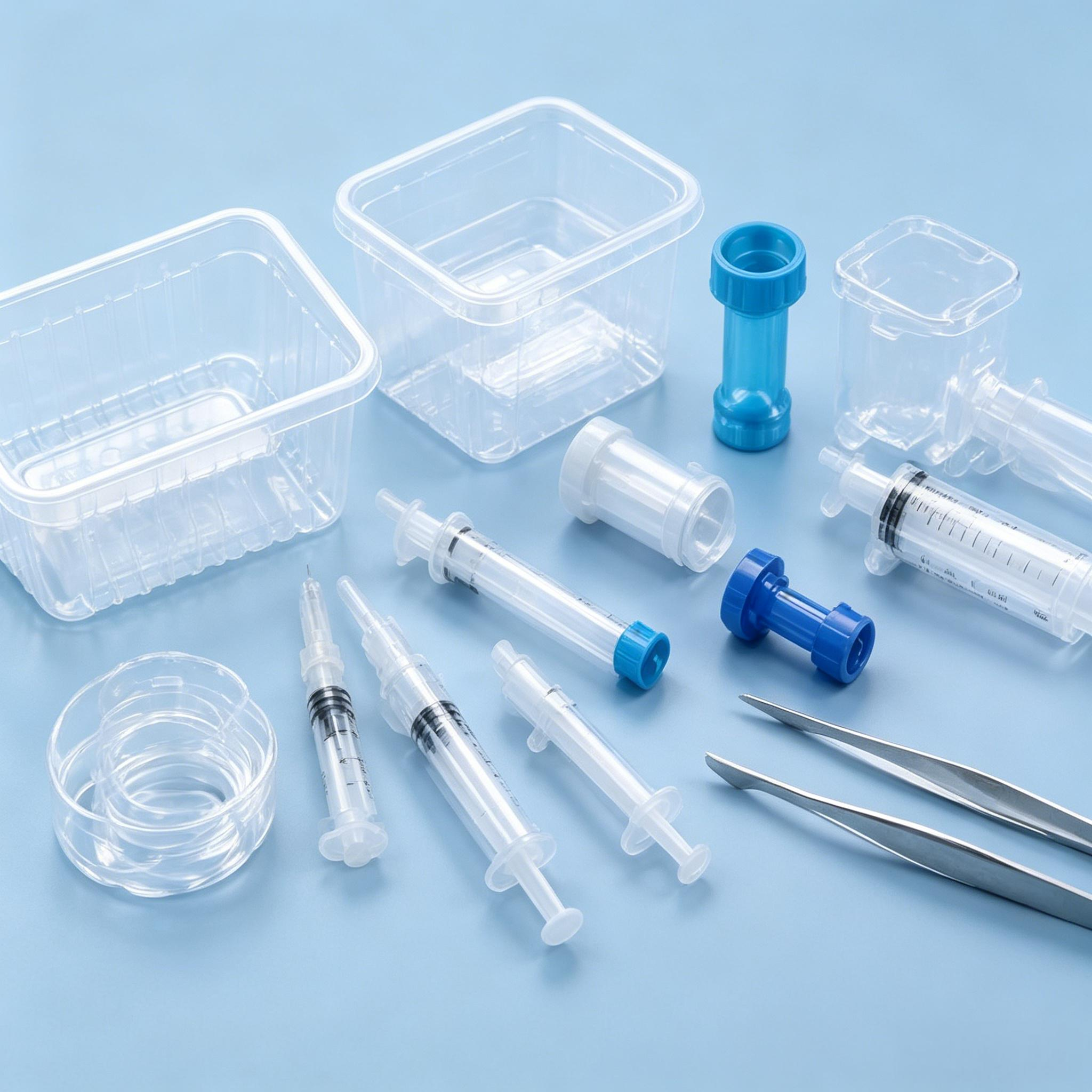
Configure the machine around the part and validation plan
Medical plastic parts can combine small features, thin walls, technical resins and demanding surface requirements. A practical recommendation begins with the product drawing, material data, mold structure, cavity count, cleanliness target and validation plan.
Injection control, screw and barrel design, temperature zones, clamping repeatability and automation interfaces can be matched to the application. Electric or hybrid functions may be considered when the project prioritizes precise movement, lower oil dependence or a cleaner production environment.
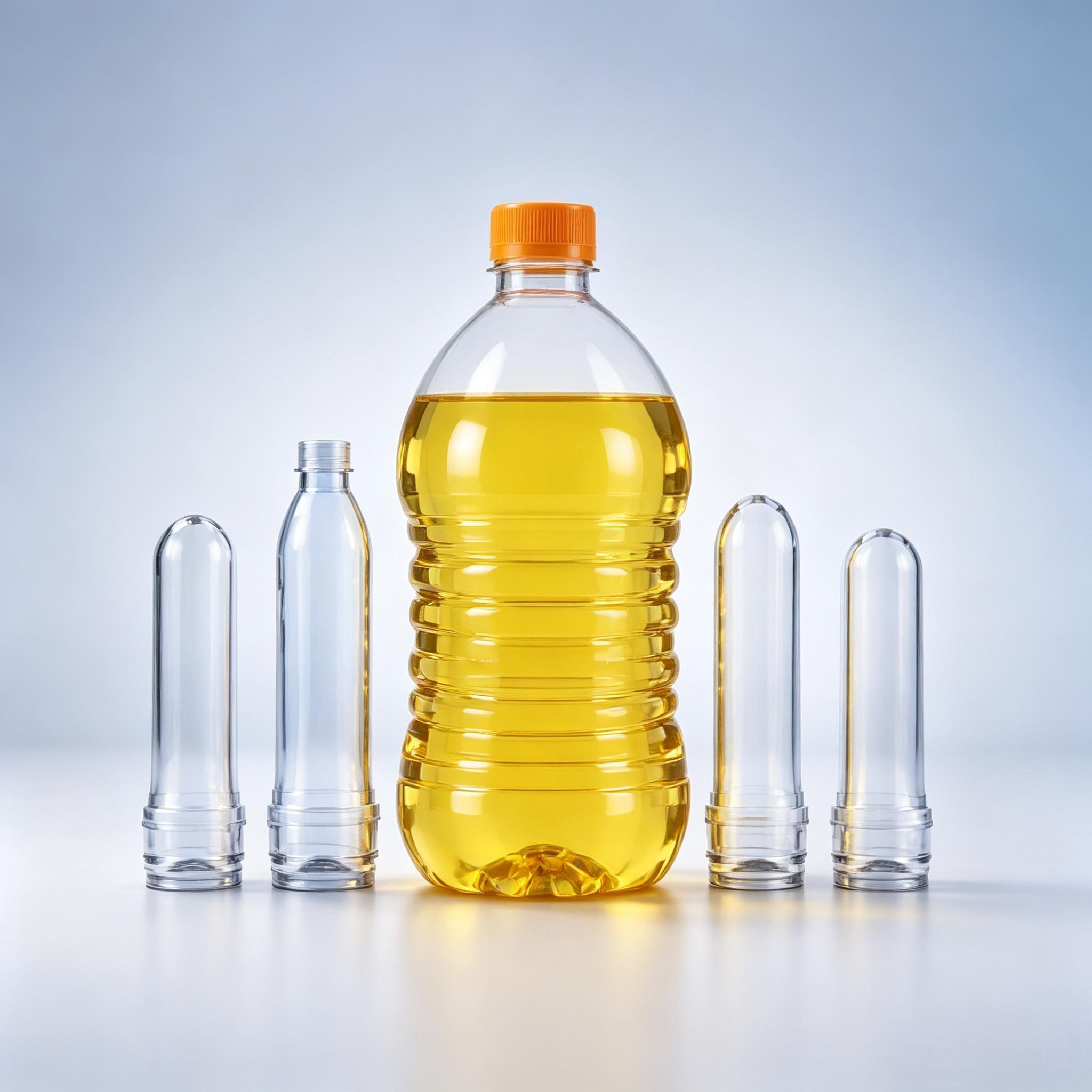
Built around repeatability and controlled handling
Injection Control
Stable speed, pressure and position control support consistent filling of detailed parts.
Controlled Plasticizing
Screw, barrel and temperature configuration can be matched to medical-grade and engineering resins.
Mold Protection
Sensitive mold protection and repeatable clamping help protect multi-cavity precision tooling.
Handling Options
Robot, conveyor and enclosed handling interfaces can reduce unnecessary operator contact.
Process Monitoring
Stable settings and production records support the manufacturer’s validation workflow.
Cell Integration
Dryers, loaders, chillers, mold temperature controllers and robots can be planned together.
Medical application planning checklist
Provide the part drawing, resin grade, part weight, wall thickness, mold size, cavity count, runner type, target cycle, annual output, voltage and handling requirements. Include any cleanroom, traceability or regulatory requirements during technical review.
Important: Machine configuration supports the molding process, but medical-device compliance, cleanroom classification and product validation remain the responsibility of the finished-product manufacturer and its quality system.
Can a servo-hydraulic machine be used for medical parts?
It depends on the part, material, tolerance, cleanliness target and validation plan. Some projects suit a carefully configured servo-hydraulic platform; others benefit from electric or hybrid functions.
Can automation be integrated?
Robot take-out, conveyors and part-handling interfaces can be evaluated as part of the molding cell.
Discuss your medical plastic component
Send the part, resin, mold and handling requirements for an application review.