


Electric Plasticizing Machines
Electric Plasticizing Machines
Independent electric screw drive for accurate melt preparation, repeatable dosing and cleaner production. Engineered for injection molding applications that demand stable plasticizing performance and flexible machine integration.
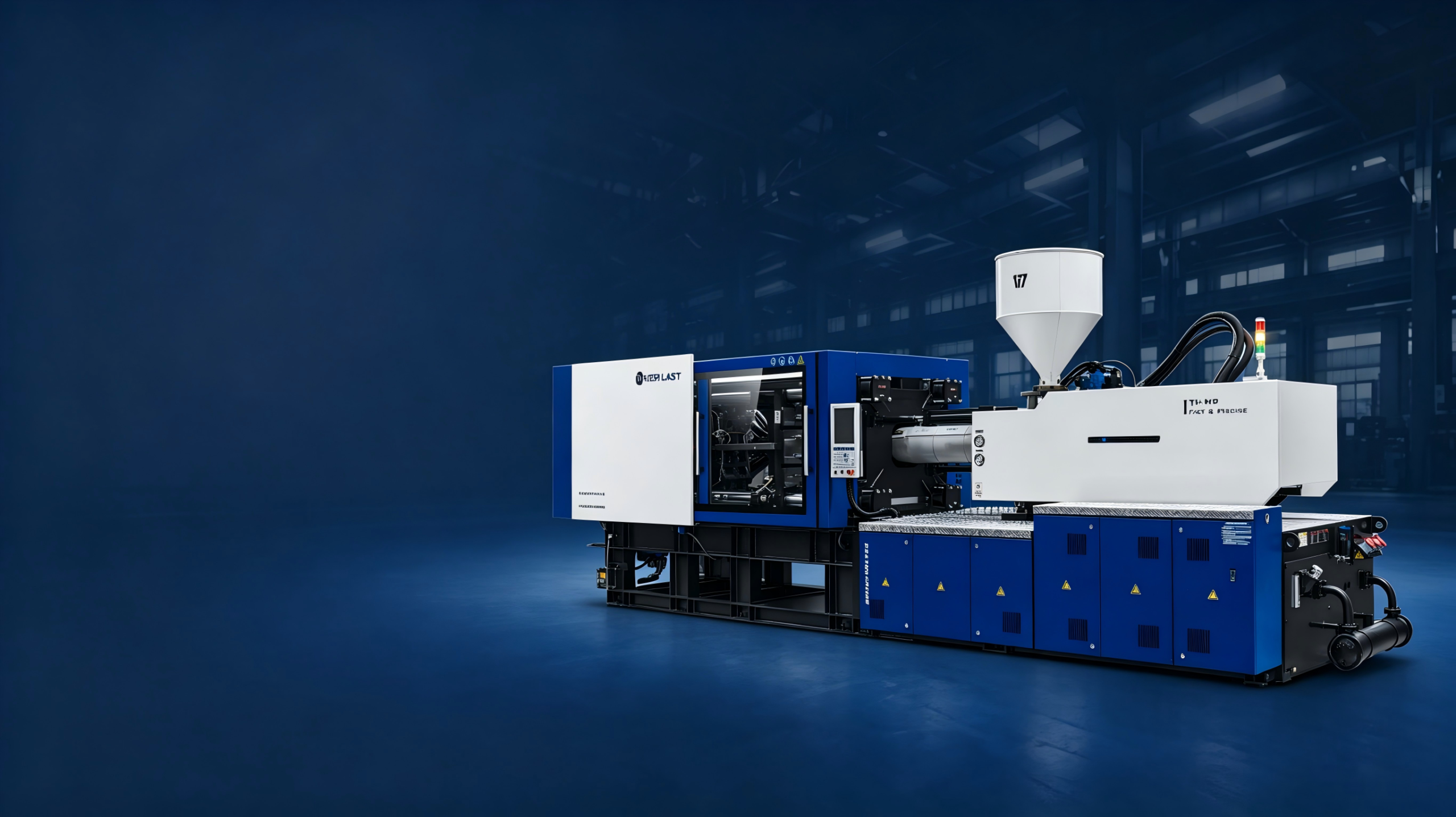
Decouple plasticizing from the hydraulic cycle
An electric plasticizing unit uses a dedicated motor to rotate the screw. Independent control makes screw speed and dosing easier to repeat from cycle to cycle while reducing reliance on the machine hydraulic circuit.
The solution can be configured for new THREEPLAST injection molding machines or evaluated for application-specific integration. Final sizing is based on resin, shot weight, screw diameter, throughput and process requirements.
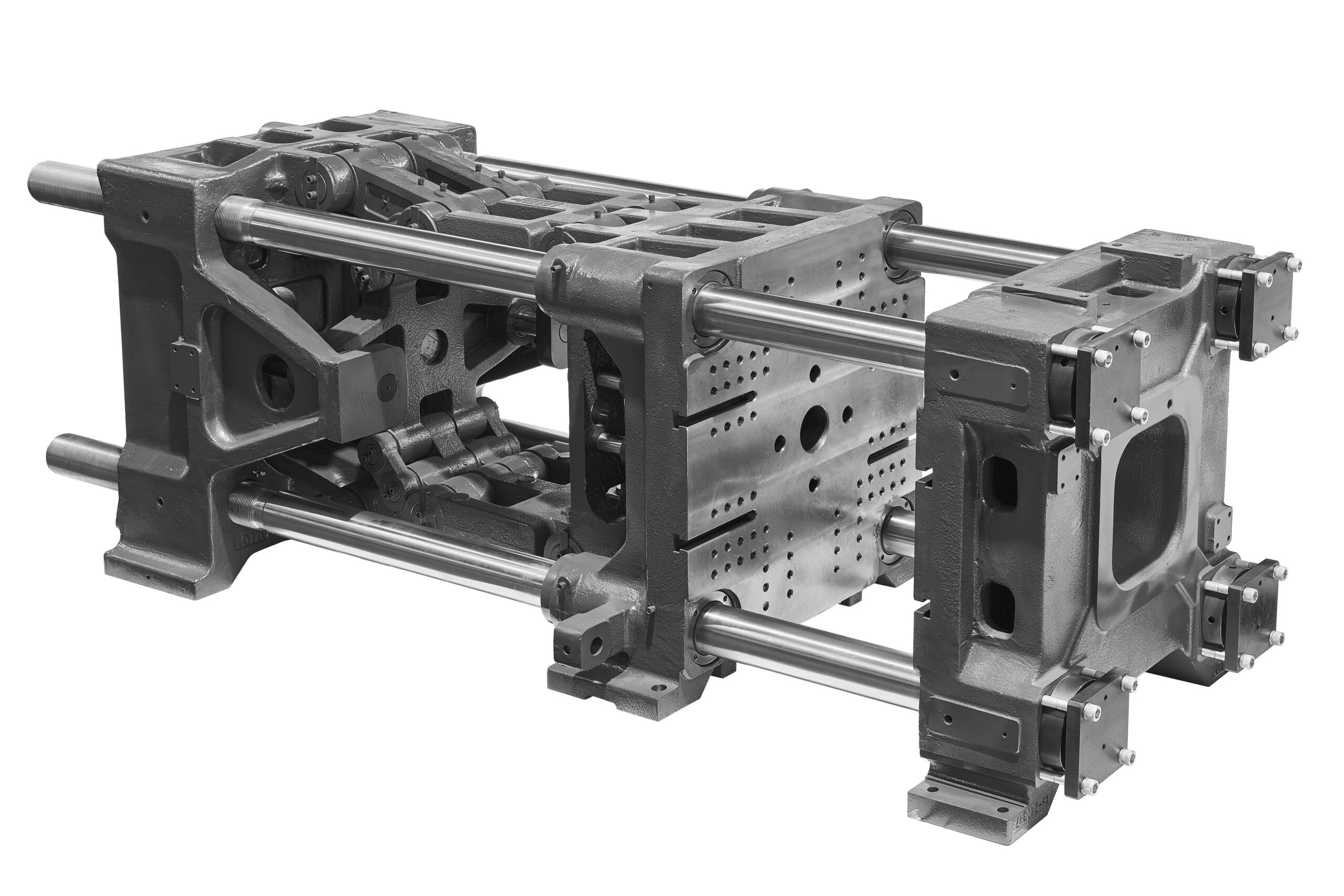
Built for controlled, repeatable plasticizing
Precise Screw Control
Dedicated electric drive supports stable screw speed and accurate dosing control.
Parallel Operations
Plasticizing can be coordinated independently to support shorter, more efficient machine cycles.
Reduced Oil Load
Separating screw rotation from the hydraulic system reduces hydraulic demand during plasticizing.
Stable Melt Preparation
Repeatable rotation and back-pressure strategy help maintain consistent melt conditions.
Lower Operating Noise
Electric screw drive provides smooth operation for a more controlled production environment.
Flexible Integration
Engineering options are matched to the machine platform, resin and production target.
How electric plasticizing works
Material Feeding
Resin enters the barrel through the hopper and feed zone.
Electric Screw Rotation
The motor drives controlled screw rotation to convey and melt material.
Accurate Dosing
The system monitors screw position to prepare the required shot.
Ready for Injection
A stable melt dose is prepared for the next injection cycle.
Suitable for demanding molding programs
Packaging & Containers
Repeatable dosing for high-volume packaging, caps, closures and containers.
Technical Components
Stable processing for dimensional and appearance-sensitive industrial parts.
Consumer Products
Efficient plasticizing for consistent mass production across common thermoplastics.
Multi-material Programs
Independent plasticizing options for application-specific multi-component solutions.
Clean Production
Reduced hydraulic involvement around screw rotation supports cleaner machine operation.
Cycle Optimization
Parallel plasticizing helps optimize processes where dosing time limits the cycle.
Specify the right unit for your process
Electric plasticizing systems are engineered to order. Share the following data so our team can recommend a compatible drive, screw and control package.
| Input | What we evaluate |
|---|---|
| Machine and clamping force | Mechanical interface, controller compatibility and available installation space |
| Resin and additives | Screw geometry, wear resistance, corrosion protection and temperature range |
| Part and shot weight | Required plasticizing capacity and dosing repeatability |
| Cycle and hourly output | Motor sizing, screw speed and recovery-time target |
| Existing screw diameter | Barrel, screw and transmission matching |
| Power standard | Electrical specification for the destination factory |
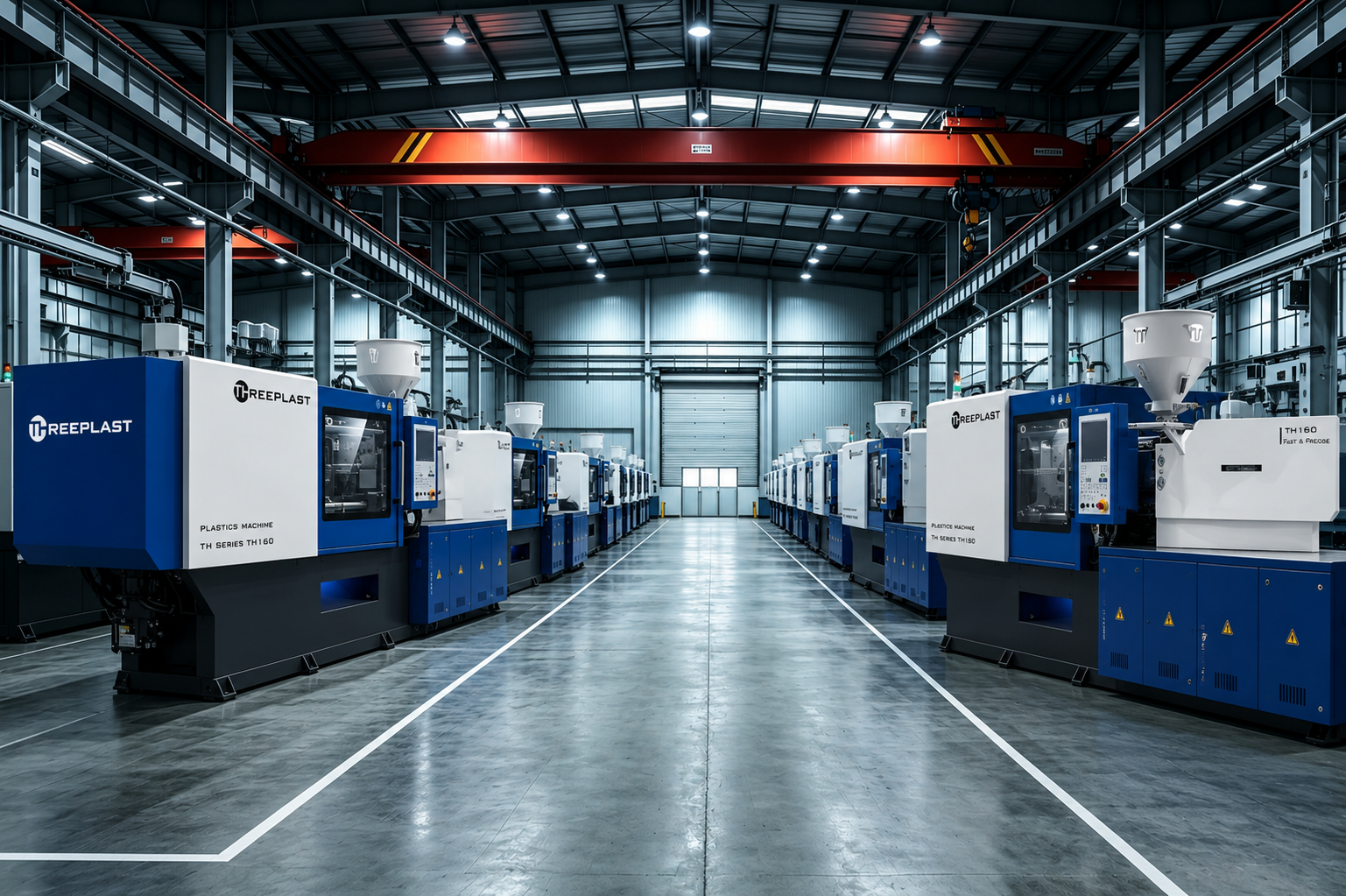
From process review to commissioning
THREEPLAST supports configuration review, machine matching, manufacturing, testing and delivery. Each proposal is based on real production requirements rather than a one-size-fits-all package.
- Application and material analysis
- Screw, barrel and drive matching
- Control-system integration review
- Pre-shipment functional testing
- Installation and technical support
Electric plasticizing questions
Is this a fully electric injection molding machine?
No. This page describes an electric plasticizing solution: screw rotation is electrically driven while other machine movements may remain hydraulic or servo-hydraulic, depending on configuration.
Can it be added to an existing injection molding machine?
Retrofit feasibility depends on machine structure, controller, screw and barrel dimensions, drive space and production requirements. Send the machine model and photos for an engineering review.
Which materials can it process?
The system can be configured for common thermoplastics and application-specific materials. Resin type, filler content and processing temperature determine the recommended screw and barrel specification.
What information is needed for a quotation?
Please provide machine model, resin, product weight, target cycle, required output, screw diameter, power supply and destination country.
Discuss your electric plasticizing project
Send us your machine data, resin and production target. Our engineers will prepare a practical configuration proposal.